
What Makes Dimensional Hair Color Look Natural
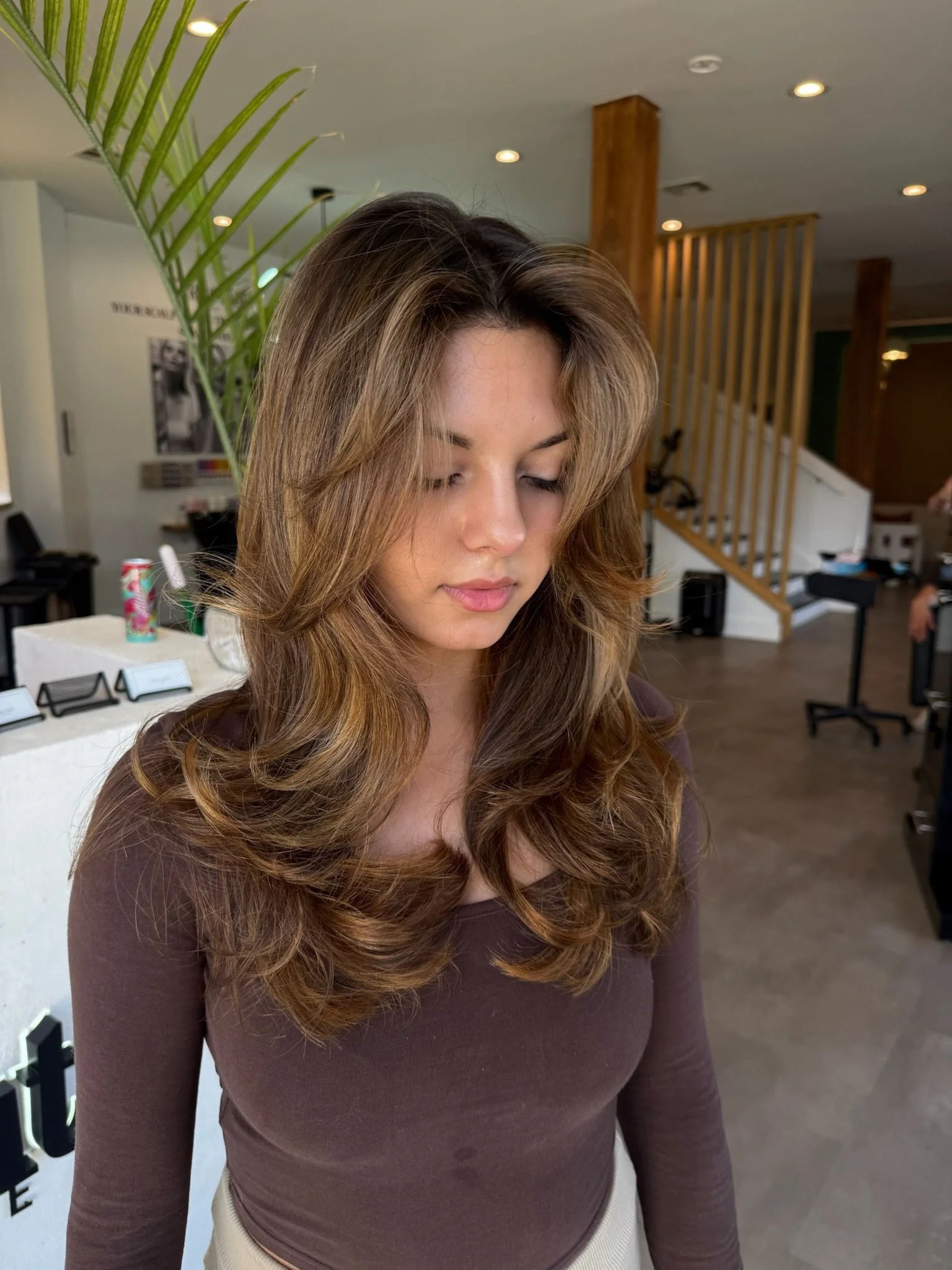
Dimensional hair color brings lighter and deeper shades together to give your hair depth and visible variation. You might see it in the soft brightness around a brunette’s face, the darker pieces between blonde highlights, or the subtle shifts in tone through copper hair.
That balance helps explain why dimensional color can look so natural. The roots, lighter pieces and ends feel connected, with transitions that suit the overall look. For some people, that means color so subtle it’s almost undetectable. For others, it means visible ribbons of brightness with a softer transition at the scalp.
How dimensional color is created
Three choices shape the result: how light your hair looks overall, how strongly the shades contrast, and whether the tone feels golden, neutral or cool. Blonde hair can have soft variation; brunette hair can have bold contrast. Two colors can also be equally light yet look quite different because of their tone.
Your stylist can build dimension with highlights, which add lighter pieces, and lowlights, which add deeper ones. Existing darker hair can supply the depth, too, so a dimensional result doesn’t automatically require both highlights and lowlights.
If you’re deciding between warm, cool and neutral shades, our guide to hair color and skin tone offers a starting point. Your preferences belong in that decision, too. Undertone guidelines can help you explore colors; they don’t limit what you can wear.
Dimensional color for brunettes and blondes
For brunettes, the goal is often to keep the hair looking brown overall while adding brightness around the face or through the lengths. Our brunette balayage guide explores how selective lightening can create that balance.
For blondes, dimension may come from keeping or bringing back deeper pieces between the brightest sections. If contrast is what you love in a reference photo, adding more highlights everywhere may move you away from that look.
These examples give you a direction to discuss with your stylist. What’s achievable depends on your starting color, previous services and hair condition. Share your color history, including older color still in the lengths after your natural roots have grown in, so your stylist can explain what it will take to reach your goal.
How the color terms fit together
Dimensional color, balayage and lived-in color describe different aspects of hair color. Dimensional refers to visible depth and contrast. Balayage is a way of painting color onto the hair. Lived-in color is designed around a softer transition and grow-out.
These terms often overlap. Balayage can create dimension, and a dimensional result can also be lived-in. Highlights can contribute to both dimensional and lived-in looks, and your stylist may combine techniques to create the features you like. You can describe the result you want without having to choose the technique yourself.
How to describe the look you want
Inspiration photos are most helpful when you can explain what draws you to them. It might be the darker background, the brighter front pieces or the lightness through the ends. Even a blonde photo can help show the placement you want on brunette hair.
To make that conversation easier, think through five details:
Overall color: Should your hair still read as brunette or blonde, or show a clear mix of lighter and deeper pieces?
Brightness: Would you like the lightest pieces around your face, through the ends or more evenly distributed?
Roots: Do you prefer a visible root shadow or brightness closer to the scalp?
Everyday styling: Do you usually wear your hair straight, naturally textured, curled or pulled back?
What to avoid: Mention unwanted warmth, a strong front streak, a darker overall result or upkeep you can’t comfortably manage.
Look at inspiration in more than one style, too. Curls can show color placement differently from a straight finish. If you usually wear your hair straight to work, let your stylist know, along with your everyday part and styling routine.
Planning your appointment and maintenance
Once you know the look you want, the next question is what needs to change. “I want to keep my brown base and add contrast through the ends” describes a different goal from “I like my highlights, but they feel too warm.” The first concerns the balance of depth and brightness; the second may need a tone refresh.
At Beauty Culture, Lived-In/Dimensional Custom Color is the service to discuss for changes to the balance of depth and brightness. If you like the existing placement and want to refresh the tone, Quick Tone/Gloss may fit. Mention any new highlights you want when booking so your stylist can plan the appointment accordingly.
Maintenance should suit the time and budget you have. During the consultation, discuss when you might need a tone refresh, fresh lightening or separate gray coverage. Dimensional color has no fixed upkeep schedule. Before you leave, agree on what your next visit will address and what changes should prompt you to get in touch sooner. Future visits may involve different work from your first appointment.
Pricing and booking at Beauty Culture
Our color menu lists Lived-In/Dimensional Custom Color from $200 and Quick Tone/Gloss from $50. These are starting prices for the named services. Pricing varies by stylist, and additional work can change the total.
Before reserving, confirm the total for the planned color placement, any tone adjustment, haircut and finish. Your stylist can explain what’s included and what costs extra. Share your budget before the service begins; if the full look exceeds it, discuss what a smaller first step could achieve. You should leave the consultation knowing what your first appointment can achieve, what it includes and what it will cost.
Beauty Culture is at 501 Southwest Blvd in Kansas City’s Crossroads. Riley, Jordan, Cody and Jada list dimensional color among their interests or specialties, and Tristin’s focus on lived-in blondes may suit your goals. Explore their stylist profiles to find work that speaks to you, then book your appointment.
If you’re unsure which service to select, call (816) 603-2819 and tell us your current color, the contrast you want and your budget. We can help you choose where to start.