
Balayage vs Foilyage
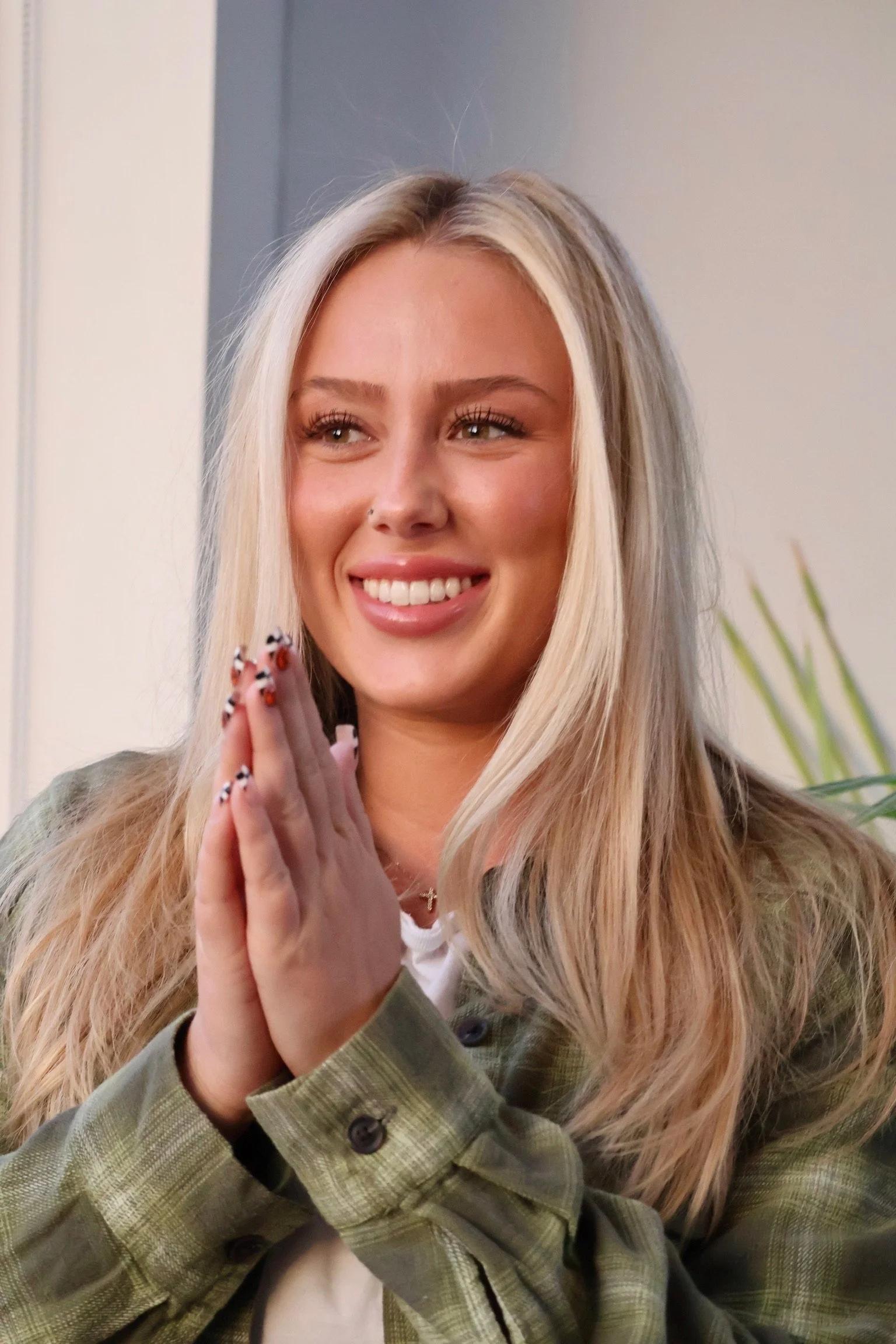
Balayage and foilyage can both give you softly blended highlights. The main difference is how the lightener develops: traditional balayage processes in the open air, while foilyage wraps painted sections in foil to help them become lighter.
That extra lightening, often called lift, can be useful when you want a brighter result. Choosing the right approach starts with the color you have now, the look you want and the condition of your hair.
How the techniques compare
Feature
Traditional balayage
Foilyage
Processing
Lightener is painted onto selected sections and develops without foil.
Painted sections are enclosed in foil to support greater lift.
Common goal
Subtle lightness and dimension.
More brightness with a blended transition.
Root appearance
Placement can preserve depth near the roots.
Placement can also preserve a soft, deeper root.
Foils do not automatically create stripes or a bright root. Your stylist controls the blend through placement, the amount of darker hair left between highlights and any finishing color. You can have bright ends and still keep plenty of depth through the rest of your hair.
The terminology can be confusing because “highlights” describes the lighter sections themselves. Balayage is one way to create them. Fine woven highlights, including babylights, may also be worked into a custom color appointment. Your stylist may combine techniques to create different effects around your face, through the back and at the ends.
Start with the color you want
An inspiration photo is a helpful starting point, especially when you can explain what you like about it. Is it the brightness around the face? The darker root? The amount of brown still showing through?
A request such as “I want to keep the brown through the back, soften the transition and brighten the front” gives your stylist a clear picture of your priorities. You don’t need to know which technique will achieve every part of that look.
Show your stylist how you usually wear your hair, too. Placement needs to work with your everyday style, whether you wear it straight, naturally textured or pulled back. A photo of loosely curled hair may show off the color differently from the way you’ll see it most days.
Your starting color changes the plan
Two people can bring in the same photo and need different appointments. Someone with naturally lighter hair who wants a small change may get the desired brightness from open-air balayage. Someone with darker hair and previous color on the ends may need foil processing, additional steps or more than one visit.
Foilyage can help when more lift is needed, but it cannot remove every limitation created by old color or fragile hair. Your starting shade, previous services and the lightening formula all affect what is realistic. They also influence the appointment length and whether your goal can be reached in one session.
For a larger blonde change, the first visit might establish a softer transition or add some brightness while leaving room for further lightening later. Our guide to what to expect when going blonde explains how to approach that process.
Give your stylist the full hair history
Share any salon color, at-home dye and chemical services your hair has had. Include older color that may still be in the lengths or ends, even if your roots have grown out. If you don’t remember a product or date, explain what you do know.
Mention breakage, fragile areas and how important it is to preserve your length. Both techniques involve lightening, so neither comes with a damage-free guarantee. A strand test can help your stylist assess how your hair responds and what it can reasonably handle.
For a major change, a separate consultation can establish a realistic first-visit goal and explain what might require adjusting or pausing the lightening process.
Plan for regrowth and tone
Maintenance depends on the finished design. Brightness placed close to the roots can make new growth more noticeable, while a deeper root and softer transition can give you more flexibility between appointments. How much visible grow-out you’re comfortable with matters, too.
Tone has its own upkeep. You may still like the placement of your highlights when the shade needs refreshing. A gloss or toner can address the tone without another round of lightening, so you won’t necessarily need the same service every visit.
Before you leave, discuss what your next visit should address and which home-care products suit your color and hair condition.
What balayage and foilyage cost
At Beauty Culture, our Lived-In/Dimensional Custom Color service starts at $200. Your full quote may be higher, depending on your stylist and the work involved. A bigger blonde change or color correction may need a different custom-color appointment.
We don’t list separate balayage and foilyage price ranges or a standard surcharge for using foils. The price reflects the complete service your hair needs.
Confirm the full estimate before booking, including whether toning, a haircut and styling are included. If you’re comparing quotes, make sure they cover the same placement and finishing work. Include the likely maintenance visits in your budget as well.
Book your color appointment at Beauty Culture
At our salon in Kansas City’s Crossroads, you can explore our colorists and their work to find a style you connect with. Riley, Jordan and Cody focus on dimensional or lived-in color; Tristin specializes in lived-in blondes, and Courtney’s specialties include blonding.
Book your appointment, or call (816) 603-2819 if you’re unsure which service to select. Tell us your current color, any previous color work and how bright you’d like to go. We’ll help you choose the right appointment.