
Protective Styles: Options, Maintenance, and When to Take a Break
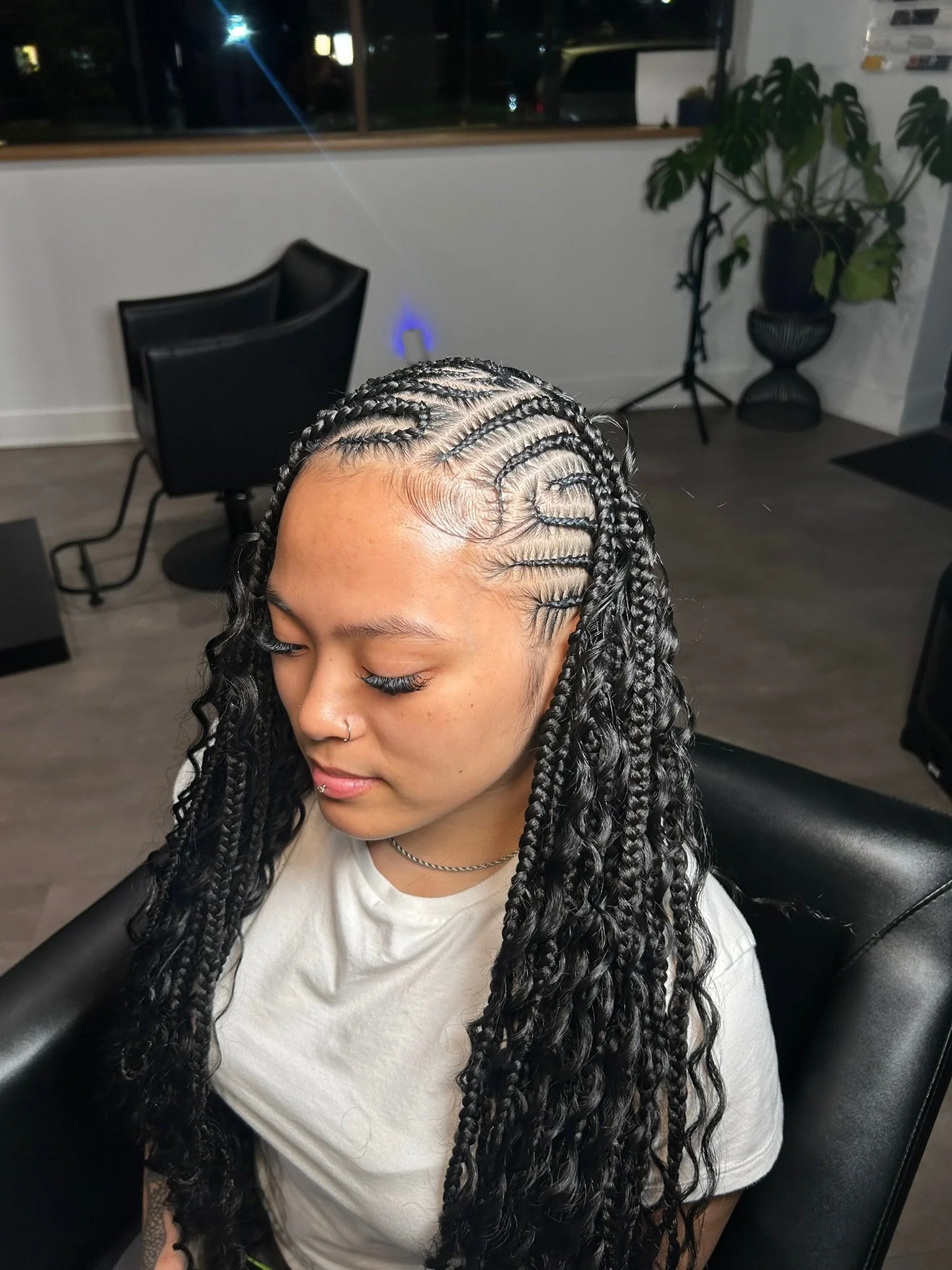
A fresh set of braids or twists can make getting ready easier and give you a look you enjoy without restyling every day. The right choice should also work when you’re washing your hair, exercising, or putting it up for work.
Protective styles reduce frequent handling, but they still need care. They don’t guarantee growth or prevent every kind of damage, and they aren’t a requirement for healthy natural hair. What matters is how the style is installed, how comfortable it feels, and whether you can maintain it.
Start with your routine and the look you want
Think about what you want your new style to do. Easier mornings may be the priority, or you may want added length and a change of look. Decide whether you prefer to use your own hair or add extensions, then weigh that choice against your routine and budget.
If you need to secure your hair for work or workouts, mention that before installation. The length, weight, and parting should allow you to put it up comfortably. A style that looks beautiful worn down may feel very different when you gather it into a ponytail.
Bring a photo of your preferred look and a simpler alternative. Along with the overall look, compare individual braids or twists with a design braided along the scalp, and consider the time each option needs for installation, care, and removal.
Explore the options at Beauty Culture
Our natural-hair menu includes these options at Beauty Culture in Kansas City’s Crossroads:
Style Style details Starting price
Two-strand twists Twists using your natural hair From $130
Individual braids Braids using your own hair, without added extensions From $130
Natural tribal braids A braided design without added extensions Request a quote
Jumbo knotless braids A larger knotless braid style; confirm the design and whether added hair is included From $75
Published starting prices checked October 11, 2026.
Treat each listing as a separate service when budgeting. Prices vary by stylist, and your chosen length, materials, or preparation may affect the total. Confirm the full quote, including any wash or blow-dry add-ons. The $75 jumbo listing should not be used to estimate the cost of smaller, longer, or more elaborate extension braids.
Your style should feel comfortable from the start
A “knotless” or “natural” style can still pull too tightly. Speak up as soon as something feels wrong, and tell your stylist where it hurts and what you’re feeling. A section can be addressed while the style is being created, even if that means adjusting the look in your reference photo.
The American Academy of Dermatology warns that repeated pulling can cause traction alopecia, a form of hair loss. Pain means a style is too tight. Stinging, crusting, or scalp skin being pulled upward also call for an immediate change. Don’t wait several days for a painful installation to “settle.” Discomfort doesn’t mean the style will last longer.
Unexplained thinning, broken hairs around the hairline, or persistent scalp symptoms deserve a dermatologist’s assessment. Your stylist can help adjust the style, but cannot diagnose hair loss or promise that a hairstyle will reverse it.
Make the care routine work at home
Before committing to a style, make sure you understand how you’ll cleanse your scalp, rinse out products, and dry your hair. If washing and detangling are already the hardest part of your routine, talk through those concerns first. Braids and twists still need a care routine you can manage.
Let your stylist know if you struggle to reach the back of your head, have limited drying equipment, or need to fit wash days around a busy schedule. Those details help them explain a routine that suits your setup at home.
Product advice should be specific: what to use, how much, and where to apply it. Adding more product won’t necessarily improve the result. If a clinician has prescribed a scalp-care routine, share it with your stylist so you can keep following it.
For bedtime, have your stylist show you how to arrange the lengths and choose an appropriate covering without pulling the roots tight. Try the arrangement yourself. If it’s awkward, ask for a simpler option you can repeat comfortably. Our scalp-care guide for braids covers care between appointments.
Plan for taking the style down
Before installation, find out how the style comes out, whether your stylist offers removal, and what time and cost to allow. Be clear about what you’ll handle at home and where you’ll need professional help.
Your removal plan should account for comfort, scalp condition, and how well you’re keeping up with care. A style can still look neat when it’s time to remove it. Agree on a review or takedown date and the signs that mean you should get in touch sooner. Our guide to how long to keep braids in explains those considerations in more detail.
Set aside time for removal and the return to your usual routine. Planning that space in your calendar helps you avoid keeping a style longer simply because takedown is inconvenient.
When to take a break
Between installations, choose a looser style that reduces pulling and makes your hair easy to care for. Switching to another tight arrangement won’t provide that break. There’s no single waiting period that tells everyone when they’re ready for another installation.
If discomfort or changes around your hairline prompted the break, address the concern before covering it with another style. Before another installation, talk with your stylist about what needs to change, whether that’s less weight, a looser design, or more time between appointments.
Find your next style in Kansas City
Celena Wilcox and Kianna Evans both list braiding among their specialties. You can read their profiles on our Team page and check the specific service and availability through our booking page.
Beauty Culture is at 501 Southwest Blvd in Kansas City’s Crossroads. For help matching the look you want to the right appointment, call (816) 603-2819.