
What Is a Silk Press? Everything to Know Before Booking One
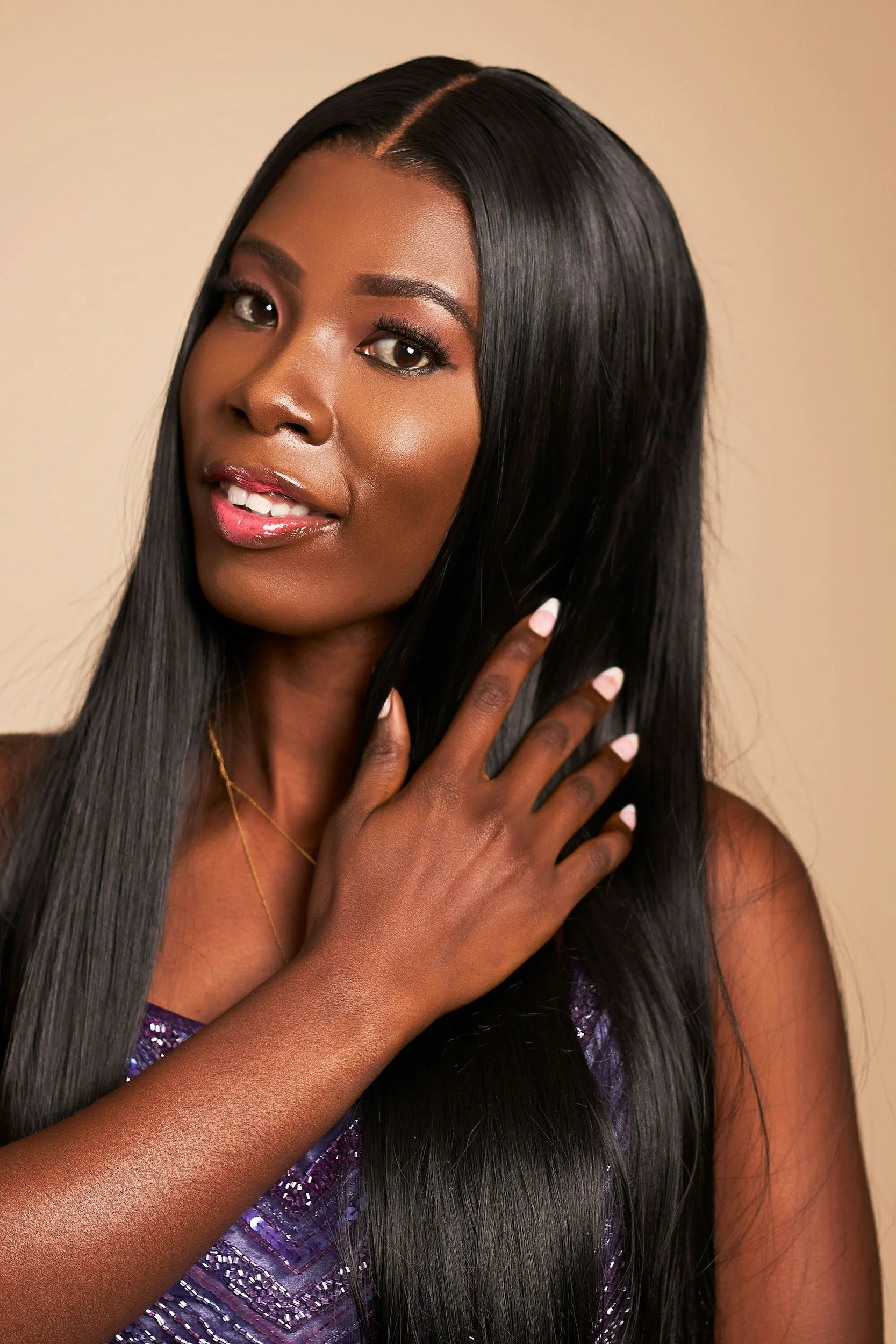
A silk press is a temporary styling service that uses a blow-dryer and flat iron to smooth naturally curly or coily hair. It’s a way to enjoy a straight style with shine and movement without using a chemical relaxer.
The finish can be sleek and straight, softly curved at the ends or full of body. At Beauty Culture in Kansas City’s Crossroads, planning your silk press starts with the look you want and what your hair needs.
What happens during a silk press?
The appointment typically begins with cleansing and conditioning, followed by heat protection and a blow-dry to stretch and smooth the hair. Once it is fully dry, the stylist works through small sections with a flat iron to create the finished look.
The preparation matters as much as the final press. A silk press describes the full styling process; the flat iron is one tool used along the way. Your stylist chooses products and techniques for your hair, so the exact steps can vary.
Choosing the finish you want
Reference photos help your stylist understand your taste. Bring a few that show the front, sides and overall shape, and point out what draws you to each one. It might be the part, the movement around the face or the way the ends turn under.
A photo doesn’t always reveal how a style was created. The hair could be naturally straight, styled with a blowout, pressed or enhanced with extensions. Use the image to explain the result you like, then work with your stylist to choose a suitable way to achieve it on your hair.
That may lead to a different service. A blowout typically uses a dryer and brush to smooth and shape the hair, and it may give you the look you want. A silk press adds detailed flat-iron work after drying. Our guide to silk presses versus blowouts explains that distinction further.
A relaxer or Brazilian Blowout involves a different process. A relaxer permanently changes the treated hair through chemical straightening, while a Brazilian Blowout is a smoothing treatment with its own products and aftercare. If you’re comparing these options, discuss the upkeep and how each would affect your ability to wear your natural texture.
What your stylist needs to know about your hair
Your curl pattern is only part of the picture. Color, lightening, relaxers, smoothing treatments and regular hot-tool use all belong in the conversation. If you can’t remember a treatment’s name, a photo of the packaging or an old appointment description can help.
Share what you noticed the last time you wore your hair straight, too. Was it easy to maintain? Did your ends feel different afterward? Did any areas respond differently when you washed it? You don’t need a diagnosis or a treatment picked from social media; your observations give your stylist useful information.
Before your visit, make a short note of:
Recent services and the products you regularly use at home.
Any areas that feel fragile, tangle easily or have changed since your last appointment.
Whether this is a style for one occasion or something you’d like to wear regularly.
Upcoming swimming, workouts, travel or outdoor events that could affect your plans.
Heat styling and your natural texture
A silk press is temporary, but it still involves heat. Excessive heat can damage hair and affect how curls respond afterward, which is why your hair’s condition should guide the approach. There is no single flat-iron temperature that suits everyone.
Professional technique and heat protection help manage that risk; they don’t remove it entirely. If preserving your natural curl pattern is a priority, raise it before the service. Your stylist can explain whether pressing is appropriate and discuss other styles if your hair needs a break from heat.
The same care matters at home. Daily flat-iron touch-ups can add unnecessary heat exposure. If that’s what it takes to maintain the look, talk with your stylist about a more manageable routine.
Planning around your schedule
Think about what comes after the appointment. A silk press for a wedding or work trip calls for different planning than a style you’ll wear through a week of swimming. Moisture, humidity and sweat can change the finish, so let your stylist know which occasion matters most and ask when to schedule your visit.
For outdoor plans in Kansas City, consider the forecast and how much time you’ll spend outside. Our guide to how long a silk press lasts covers the factors that affect wear and what you can do to help maintain it.
Before leaving, get a simple home-care plan: how to arrange your hair overnight, which products to use, how to handle changes in the shape and when to wash. Wrapping or pin-curling under a silk or satin covering may help preserve the style. If the technique is new to you, ask your stylist to demonstrate it so you feel comfortable doing it at home.
How much does a silk press cost at Beauty Culture?
Silk presses start at $60 on our services menu. The menu doesn’t publish a full price range or maximum; your total depends on the stylist and the work your appointment requires.
Before booking, ask for a quote that explains the cleansing, conditioning and finishing included, any extra time for length, density or detangling, and the cost of a trim or treatment. If you have a firm budget, share it at the start so you can agree on the service and price together.
Any additional work should be discussed and priced before you agree to it.
Booking your silk press in Kansas City
Kianna Evans and Jada Sky both list silk presses among their specialties on our team page. Visit our booking page for current service options, or call (816) 603-2819 if you’d like help choosing an appointment.
Beauty Culture is at 501 Southwest Blvd in Kansas City’s Crossroads. Before your visit, confirm the service, quoted total, preparation instructions and expected finish time, especially if you have dinner or an event afterward. The clean, straight-hair instructions for a dry haircut don’t automatically apply to a silk press, so follow your stylist’s guidance for this appointment.