
Hair Extensions for Volume vs Length
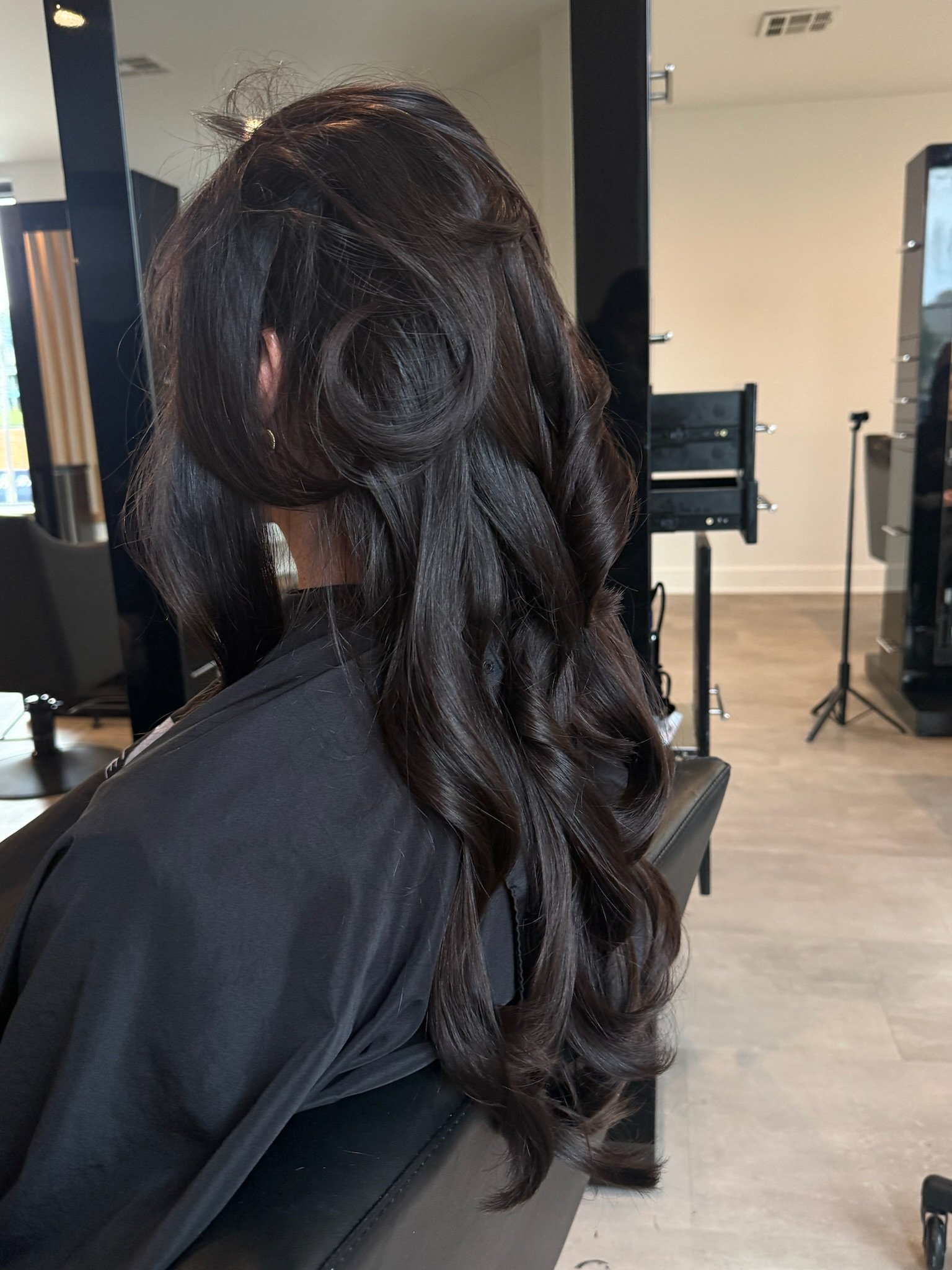
You can love your hair’s length and still wish the ends looked fuller. Extensions can fill out the shape you already have, take your hair longer, or do both. The starting point is deciding what you want to change.
A fuller bob and waist-length waves call for different approaches. At Beauty Culture in Kansas City’s Crossroads, your consultation starts with that goal, then works through the method, placement, and amount of hair that suit you. [1]
Adding fullness at your current length
If you like where your hair falls, you can focus on filling out the shape. That might mean a thicker-looking ponytail, more body through the sides, or ends that look less wispy. Extensions could give a long bob a fuller outline or add substance through the lengths of an existing long style.
Be specific about where you want the difference. “I like my length, but I want the ends to look fuller when I wear it straight” gives your stylist much more to work with than “I want volume.”
Your stylist will check your hair’s condition and where attachments can be supported and concealed. Extensions can’t cover every sparse area or create root lift everywhere; a flat crown may respond better to a haircut or styling adjustment. Those placement limits still apply when you’re keeping your current length. If your strands are delicate, our guide to hair extensions for fine hair explains what to consider.
Adding length that blends with your haircut
When you want longer hair, the transition from your natural ends to the extensions matters as much as the extra inches. A blunt cut or short layers can make that transition more noticeable, so the plan needs to account for your starting shape.
Discuss where you want your hair to fall after the extensions have been cut and blended. The length on the package is only a starting measurement; the finished haircut is what you’ll wear.
Your stylist may suggest a smaller increase if it will blend more naturally. If you’re growing out layers, a gradual change in shape may work better than adding all the length in your reference photo at once.
Combining volume and length
You can add both, but it helps to know which matters most to you. If fuller ends are the priority, you may be happy with less added length than you first imagined. If you want a longer style, the plan also needs enough fullness to carry the shape through to the ends.
BELLAMI’s weft guidance also distinguishes applications for added density from full-head applications. Your stylist will determine how much hair suits your starting point and your goal. [2]
The goal is a balanced result that your natural hair can comfortably support. Neither “volume” nor “length” tells you how many rows you need, and adding more hair doesn’t automatically improve the look. Our comparison of hand-tied and tape-in extensions can help you understand the options before discussing a method.
Making the blend work in everyday life
A convincing blend brings color, texture, and shape together. Matching only your brightest highlight can miss the darker tones that give the rest of your hair depth. The extension hair should work with the overall color.
Texture deserves the same attention. If you usually air-dry waves or curls, smooth extension hair may take additional styling to blend with them. Talk through what the proposed texture would mean for your routine before choosing it.
Your usual part and favorite hairstyles matter, too. Tell your stylist how often you wear your hair up and whether you prefer it straight, wavy, or curled. A result that looks full in a curled reference photo can look different when worn straight. Our extension blending guide covers these details in more depth.
Planning for care and comfort
Ask your stylist what brushing, washing, drying, styling, and follow-up appointments will involve with the proposed method. Longer hair can take more time to care for, so picture the routine on an ordinary weekday before choosing your length and amount of hair.
Comfort matters throughout. Tell your stylist promptly if your extensions pull persistently, hurt, or feel too tight. If your hair has recently become thinner or you’re shedding unexpectedly, have that assessed before adding extensions; a dermatologist can help identify the cause. [4, 5]
Understanding the full cost
Beauty Culture’s extension services list beaded-row/sew-in application starting at $175 per row. That is the application price, not the full cost of getting extensions. Your quote should clarify the cost of the hair, installation, cutting and blending, maintenance visits, and eventual removal. [1]
For regional context, Key Salon in Mission publishes a $900–$4,000 range for its customized beaded-row extension services. Treat this as one salon’s example, rather than Beauty Culture’s pricing or a range for the entire Kansas City market. Confirm what each quote includes before comparing totals. [3]
Set a budget for the first appointment and the visits that follow. Knowing both costs helps you choose a result you can maintain comfortably.
Your extension consultation at Beauty Culture
Bring a photo of your hair on a normal day and a few references for the result you want. Before your visit, make a note of four things:
What you like about your current cut.
Where you want more fullness.
Your preferred finished length.
How you normally wear and care for your hair.
Reference photos help explain your preferences. Your own result will depend on your starting hair and the plan you choose with your stylist.
New installations at Beauty Culture begin with a complimentary consultation. Meet our stylists, then book a consultation with an available extension professional to discuss the method and complete quote. [1]
Visit us at 501 Southwest Blvd, Kansas City, MO, or call (816) 603-2819 for help booking. You can arrive with a clear idea of the change you want and let your stylist help work out how to get there.
Sources
Sources checked October 11, 2026
1. Beauty Culture services and consultation details
2. BELLAMI hand-tied weft guidance
3. Key Salon published extension pricing
4. American Academy of Dermatology guidance on extensions
5. American Academy of Dermatology guidance on hair loss and shedding