
Hand-Tied vs. Tape-In Hair Extensions: Which Is Right for You?
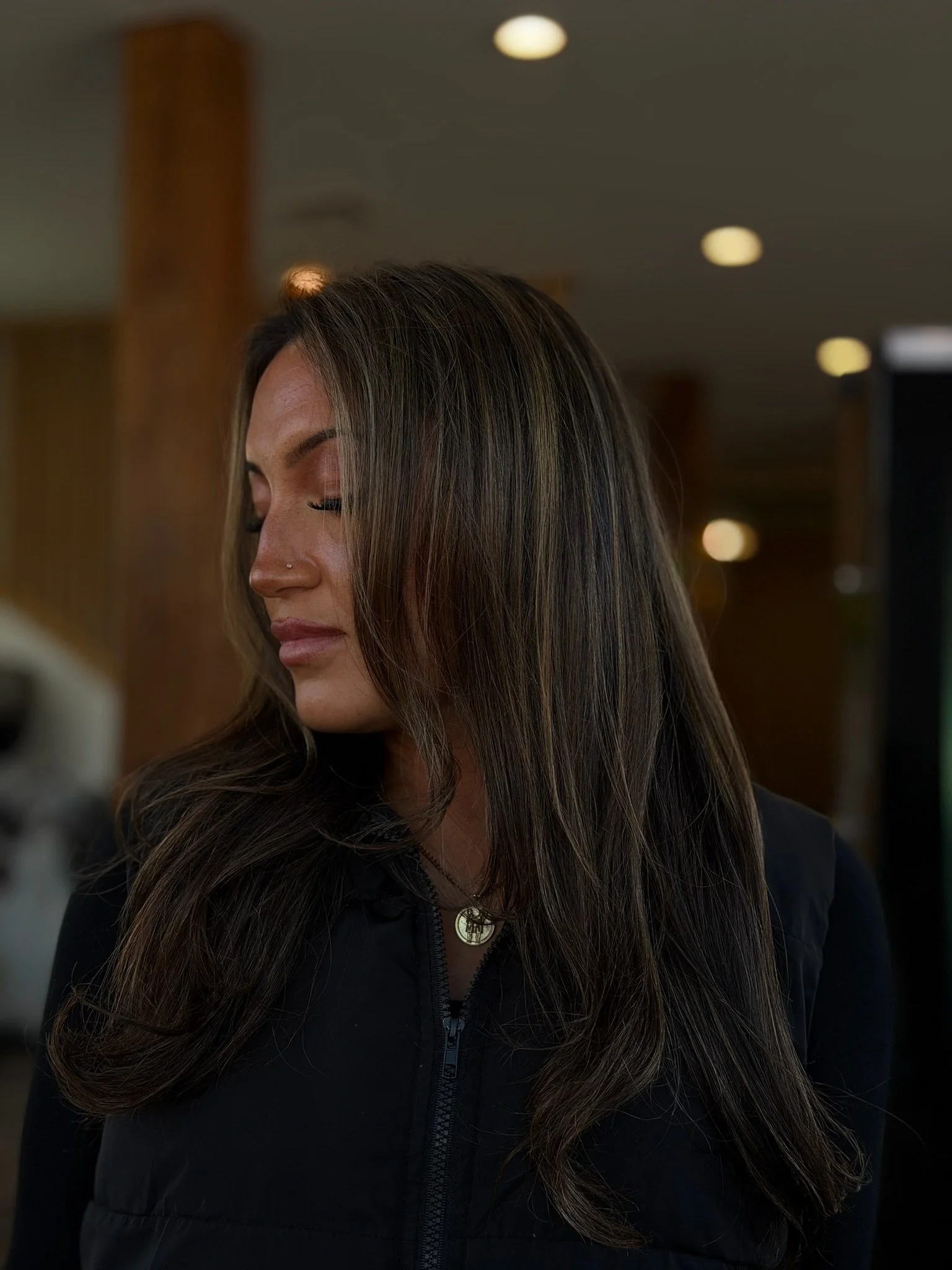
Hand-tied and tape-in extensions can both add fullness or length. The better fit depends on your natural hair, how you like to style it, and the maintenance you can comfortably keep up with.
A finished photo shows the look, but it won’t tell you how the attachments feel in a ponytail or what it takes to care for them. Those everyday details help you choose extensions you’ll enjoy wearing.
How the two methods work
Hand-tied describes how the extension hair is made. Strands are tied along a fine seam to form a weft, a continuous strip of hair. In a common beaded-row installation, your stylist creates a foundation with small beads and sews the wefts onto it. Other weft types can also be installed in rows, so a beaded-row service doesn’t necessarily use hand-tied hair.
Tape-in describes how the extensions attach. Adhesive tabs hold panels of extension hair against sections of your natural hair. A traditional application sandwiches your hair between two panels. Some systems also allow one panel paired with a single-sided backing tape, when your stylist determines that approach is suitable.
Both methods can blend into a finished hairstyle. The differences are underneath: where the attachments sit, how they move, and how they’re maintained.
How they fit your hair and everyday style
Think about your everyday styles. Whether you change your part, tuck your hair behind your ears or wear it up, your hair needs to cover the attachments and you should be able to move comfortably. That means checking the sides and hairline as carefully as the back.
The amount of added hair matters, too. A little fullness at your existing length may need much less hair than a long, dense transformation. Even when individual wefts or panels feel light, your natural hair still has to support the total amount installed.
For fine hair, that assessment includes both strand size and density. “Fine” describes the diameter of each strand; density describes how much hair you have across an area. You can have fine strands and plenty of coverage, or fewer strands that make attachments harder to hide.
Your stylist needs to assess whether your hair can support the extensions and whether it can conceal them in the styles you want to wear. Tape-ins aren’t automatically right for everyone with fine hair, and hand-tied rows aren’t automatically gentler. Placement, the amount added, careful application and removal, and ongoing maintenance all affect the result.
Comfort and hair health
A beaded-row installation may avoid adhesive, while tape-ins require adhesive and a removal process suited to that product. Either method can create problems if it puts too much tension on your natural hair.
Before installation, mention any active shedding, fragile areas or scalp symptoms, along with previous reactions to adhesive or extension products. Those details help your stylist assess whether the proposed method is appropriate.
The American Academy of Dermatology warns that pulling from extensions and other tight hairstyles can contribute to hair loss. If you feel pain or pulling, contact your stylist promptly to arrange an adjustment or professional removal. Leave removal to a professional; cutting out rows, peeling apart tape tabs or improvising a remover at home can put your own hair at risk.
What maintenance looks like
Both options need time for washing, drying and gentle brushing. If you work out often, travel regularly or prefer a quick hair routine, discuss how the care requirements will fit into your week. A look you love should come with upkeep you’re willing to do.
Salon visits are part of that commitment. A sewn installation may need adjustment, removal or reinstallation, depending on the method. Tape-ins are professionally removed and reapplied with fresh tape when the extension hair is suitable for reuse. Maintenance should also include a check of your natural hair’s condition.
Follow the care instructions and appointment schedule for your product and installation; a friend’s routine may not suit your hair. The extension hair itself may be reusable through several maintenance visits before it needs replacing.
Comparing the full cost
When comparing quotes, keep the desired length and fullness the same. Otherwise, you may be comparing different amounts of hair and work.
Beauty Culture’s extension menu lists beaded-row/sew-in application from $175 per row. That starting price covers application only. A complete quote should identify the weft type and itemize the hair, blending and follow-up services. Tape-in pricing must be confirmed separately.
An itemized quote makes the ongoing commitment easier to understand:
Part of the service
What the quote should cover
Hair and installation
Product, length, amount of hair, row or panel count, and the first-visit total.
Blending and finishing
Whether color, cutting and styling are included or charged separately.
Maintenance
When to return, whether each visit involves adjustment, removal or reinstallation, and the cost.
Removal and replacement
Removal fees, when the hair can be reused, and the cost of replacing it.
Consider those follow-up costs alongside the first appointment so you can choose a commitment that works for your budget.
Choosing what matters most to you
Before your consultation, choose three priorities. You might want fuller ends without extra length, a comfortable low ponytail and appointments that fit around travel. Or your priorities might be a close color match, more length and a manageable drying routine.
Use those priorities to weigh the options with your stylist. The recommendation should explain how each method would work for your hair and where you might need to compromise. Sometimes a smaller enhancement, another system or waiting is the better choice.
Explore extensions at Beauty Culture
New extension installations at Beauty Culture begin with a complimentary consultation. Methods vary by stylist, so confirm hand-tied or tape-in availability with the professional you’re considering.
Explore our team, then arrange your consultation through our booking page. You can also call (816) 603‑2819 for help choosing a stylist. Find us at 501 Southwest Blvd in Kansas City’s Crossroads.
Bring your inspiration photos and your three priorities. You should leave with a clear recommendation, a complete quote and a maintenance plan that fits your routine.